Continuing Dr. King's Fight for Equality and Justice
The Legacy and Impact of Martin Luther King Jr.’s Message Today
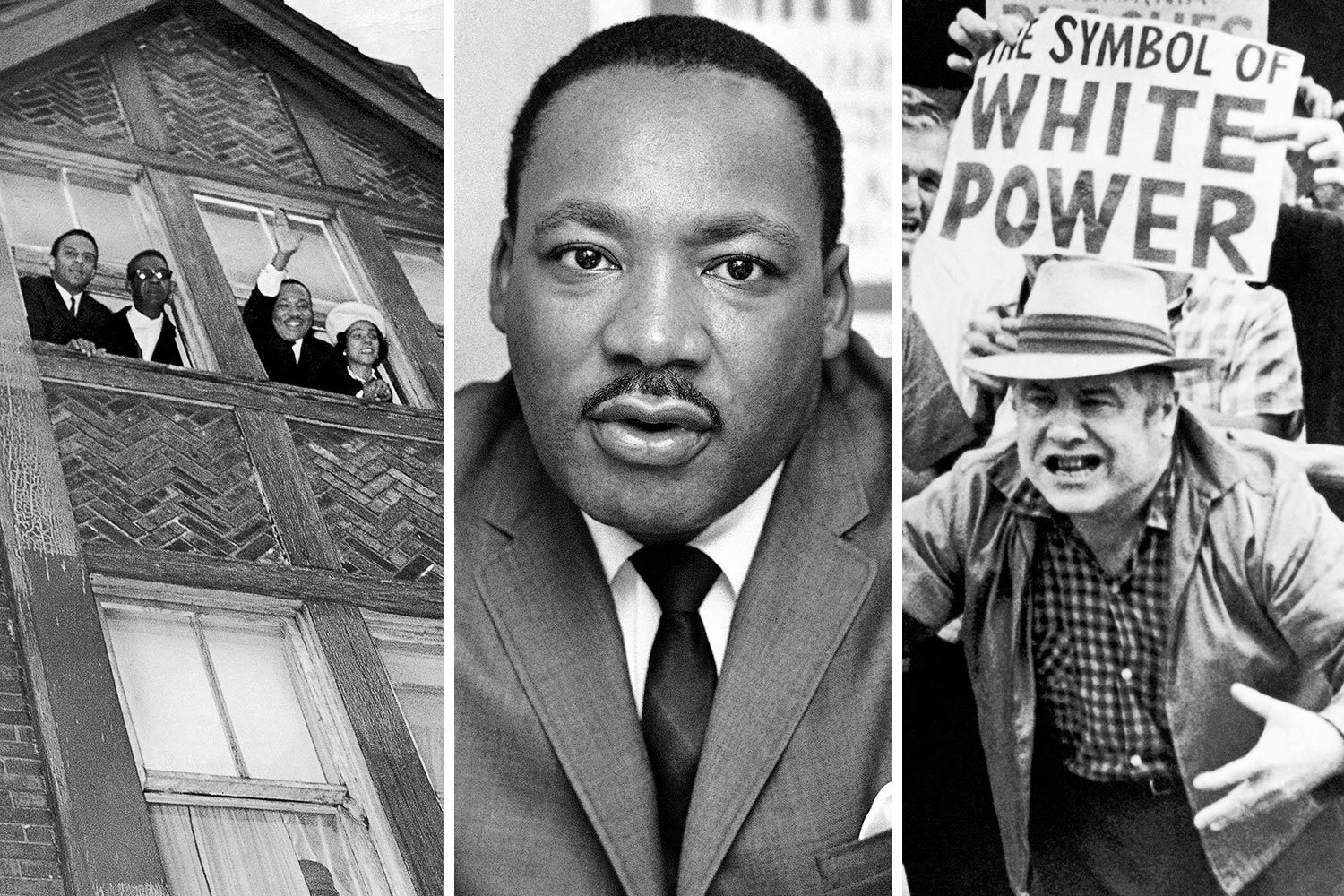
Martin Luther King Jr.’s work during the American civil rights movement led to landmark legal changes, yet his vision of an equitable society went beyond ending segregation. King preached nonviolence while shining a light on systemic racism and other injustices plaguing communities. Nearly 60 years later, studying King’s strategies and examining modern issues through his lens of hope, unity and equal treatment under the law remains highly relevant. From confronting mass incarceration to addressing poverty’s connections to historical discrimination, analyzing similarities and differences between eras provides guidance for ongoing improvements balancing past victories with present responsibilities.
Parallels Between Criticism of King and Today’s Activists
Both King’s movement in the 1950s-60s and current activism face skepticism attempting to undermine their missions. Protests were and are criticized as disruptive regardless of overwhelmingly peaceful natures. Then and now, some falsely accuse movements of fostering violence or being anti-American to sow distrust. King endured being wrongly called communist simply for condemning racism. Likewise, the Black Lives Matter organization faces baseless allegations intended to divide. However, through open communication across communities, recognizing shared beliefs in justice and human rights can form understanding overcoming undesirable tactics by any sides.
Modern IssuesStemming from Past Discriminatory Policies
Policies of past eras like Jim Crow laws directly disenfranchising black citizens and restricting opportunities have lasting impacts seen today. From disproportionate incarceration rates to financial disparities, data shows certain groups face harsher consequences stemming from bias unconsciously built into the legal system over generations. Comprehensive solutions require acknowledging society’s history. Factors like poverty and lack of intergenerational wealth transmission remain linked to race due to historical restrictions on education, jobs, loans and other domains. Anti-bias reforms aim to remedy injustices while upholding promises of freedom and equal treatment for all under the law.
King Spoke Out Against All Forms of Prejudice
King promoted embracing shared humanity over differences by speaking out against prejudices dividing society. He recognized injustice against any group weakens rights and protections for all. King understood how biases manifest differently for some yet aim to curb progress collectively. Similarly, current activists emphasize understanding different perspectives and experiences within advocacy for principles of fairness, compassion and dignity. Both leaders saw value in condemning prejudice directly while bringing communities together in democratic values above ideological stances sowing further conflict.
Utilizing Peaceful, Lawful Civic Engagement for Change
King established disruptive but nonviolent tactics could accelerate reforms more powerfully than usual political avenues alone. His methods successfully pressured leaders through lawful civic participation aggressively but respectfully raising awareness. Modern movements continue this tradition effectively when coupled with open communication. All citizens can engage thoughtfully through voting, volunteering, contacting representatives and educating in an atmosphere of togetherness and hope over hostility. Progress happens by drawing on King’s example of mobilizing political will nonviolently.
Addressing Mass Incarceration and Police Brutality Today
Reforms target issues plaguing underprivileged groups like disproportionate incarceration and use of force against minorities. Data demonstrates certain demographics face harsher consequences in the legal system and interactions with law enforcement. To remedy injustices, modern solutions examine bias unconsciously built into practices and policies through training, oversight and accountability. Comprehensive strategies require acknowledging societal history and disadvantages some communities endured due to past discriminatory structures. Anti-bias reforms seek to dismantle systemic racism while upholding safety, rights and dignity for all.
Poverty and Lack of Opportunities Hinder Equality
King brought attention to entrenched poverty partly resulting from denied loans, jobs and education for black families over generations. Today, comparable disparities also stem from restricted intergenerational mobility and disadvantage birth due to discrimination in areas like fair housing and employment. Comprehensive solutions pursue improved social programs and anti-bias economic initiatives offering previously denied opportunities. Both eras recognized achievement of full equality demands understanding legacies of racialized policies on financial security, health and ownership.
King’s Example of Progress Through Unity and Peace Remains Key
By bringing people together across backgrounds through hope rather than hostility, King effectively catalyzed legal reforms and social change through civic participation elevating conscience over convenience. Future progress on contemporary issues likewise happens most constructively through cooperation across all communities. Honoring King’s life affirms the path leading to a just, equitable society protects dignity and upholds rights for all through respect, understanding and partnership – not division. Nonviolence and uniting in shared democratic values provide guidance for ongoing improvements.